
mowing · seasons · lawn care basics
How often should you mow your lawn in Christchurch?
Weekly in spring, fortnightly through summer, monthly over winter — how often to mow a Christchurch lawn, and why the one-third rule matters more than the calendar.
By PrestigePro Lawn & Garden · Published 13 September 2026 · 5 min read
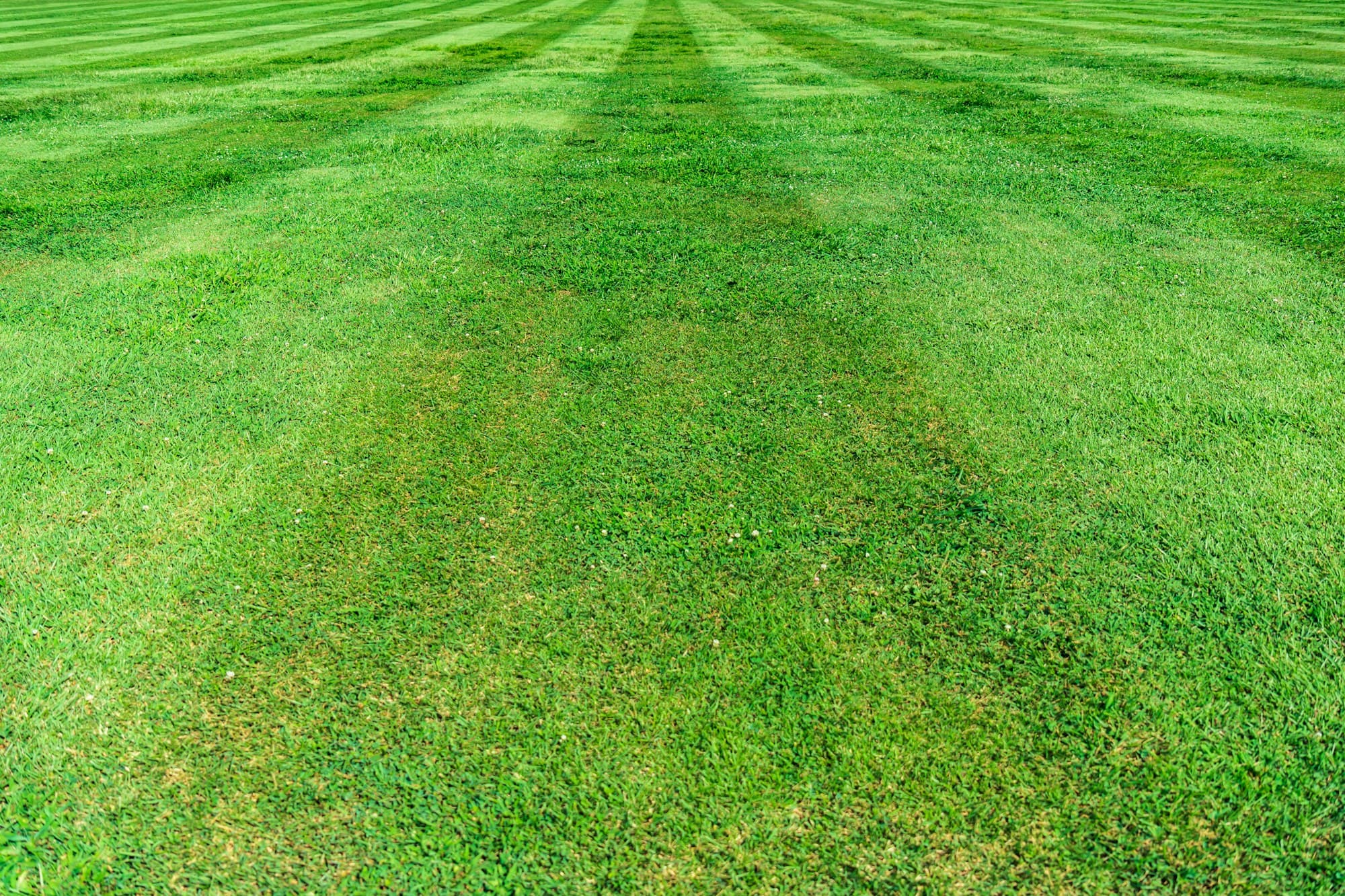
Ask five neighbours how often they mow and you'll get five answers. That's because the honest answer depends on the month, the grass type, and how much rain we've had — not a fixed number of days.
For most Christchurch lawns the pattern looks like this: weekly through the spring flush (October–December), fortnightly over summer and autumn, and every three to four weeks through winter. But the calendar is a guide. The rule that actually protects your lawn is the one-third rule.
The one-third rule
Never remove more than a third of the leaf blade in a single cut. If your lawn is sitting at 60 mm, cut it to 40 mm — not 25 mm. Taking off more than that stresses the plant, exposes the crown and soil to sun, and gives weeds a head start.
That's why mowing frequency follows growth rate. In a warm, wet November week ryegrass can put on 25–30 mm, which means a weekly cut just to keep the third rule. In July it might grow 5 mm in a fortnight, so a monthly cut is plenty.
A season-by-season guide for Canterbury
Christchurch has a genuine four-season climate with cold, frosty winters and dry, nor'west-driven summers. Grass responds to both.
- Spring (September–November): growth takes off once soil temperatures pass about 10°C. Move to weekly cuts by mid-October. This is also the season most lawns get away on people.
- Summer (December–February): growth slows in dry spells, especially on the sandy east-side soils and in nor'west heat. Fortnightly is usually right, and raise the cutting height — longer grass shades the soil and holds moisture.
- Autumn (March–May): a second, gentler flush after the first rains. Fortnightly, then stretching out as temperatures drop. Keep on top of leaf fall so it doesn't smother the grass.
- Winter (June–August): growth almost stops. A cut every three to four weeks on a dry day keeps it tidy. Never mow a frosted lawn — the blades snap rather than cut, and footprints scar it.
Cutting height matters as much as frequency
Most home lawns in Christchurch are ryegrass and fescue mixes and are happiest at 40–60 mm. Scalping a lawn short to 'buy more time between cuts' is the most common mistake we see — it thins the sward, lets moss and flatweeds in, and the lawn browns off in the first hot week of January.
Raise the height in summer and drop it slightly for the final autumn cut, so the grass goes into winter shorter but not scalped.
Signs you're mowing too little
If any of these sound familiar, the interval needs to shorten:
- Clumps of clippings left on the surface after mowing.
- The lawn looks yellow or straw-coloured for a few days after each cut (you've cut into the stem, below the green leaf).
- Seed heads appearing on the grass between cuts.
- The mower bogs down or needs two passes.
Should you catch or mulch the clippings?
If you're mowing often enough that the clippings are short, mulching (leaving them) returns nitrogen to the soil and is genuinely good for the lawn. If you've let it get long, catch them — a thick mat of clippings blocks light and invites fungal problems in humid weather.
For regular clients we set the schedule to match the season, so the interval changes automatically — weekly in the spring rush, monthly over winter — and the price per visit stays the same.
Rather we did it?
Residential Lawn Mowing in Christchurch
Weekly, fortnightly and monthly home lawn mowing across Christchurch — same crew every visit, no contracts, $0 callout.