
hedges · pruning · seasons
When to trim hedges in Christchurch: a plant-by-plant guide
Pittosporum, griselinia, buxus, laurel, photinia — when each common Christchurch hedge should be trimmed, how hard to cut, and the frost window to avoid.
By PrestigePro Lawn & Garden · Published 13 September 2026 · 6 min read
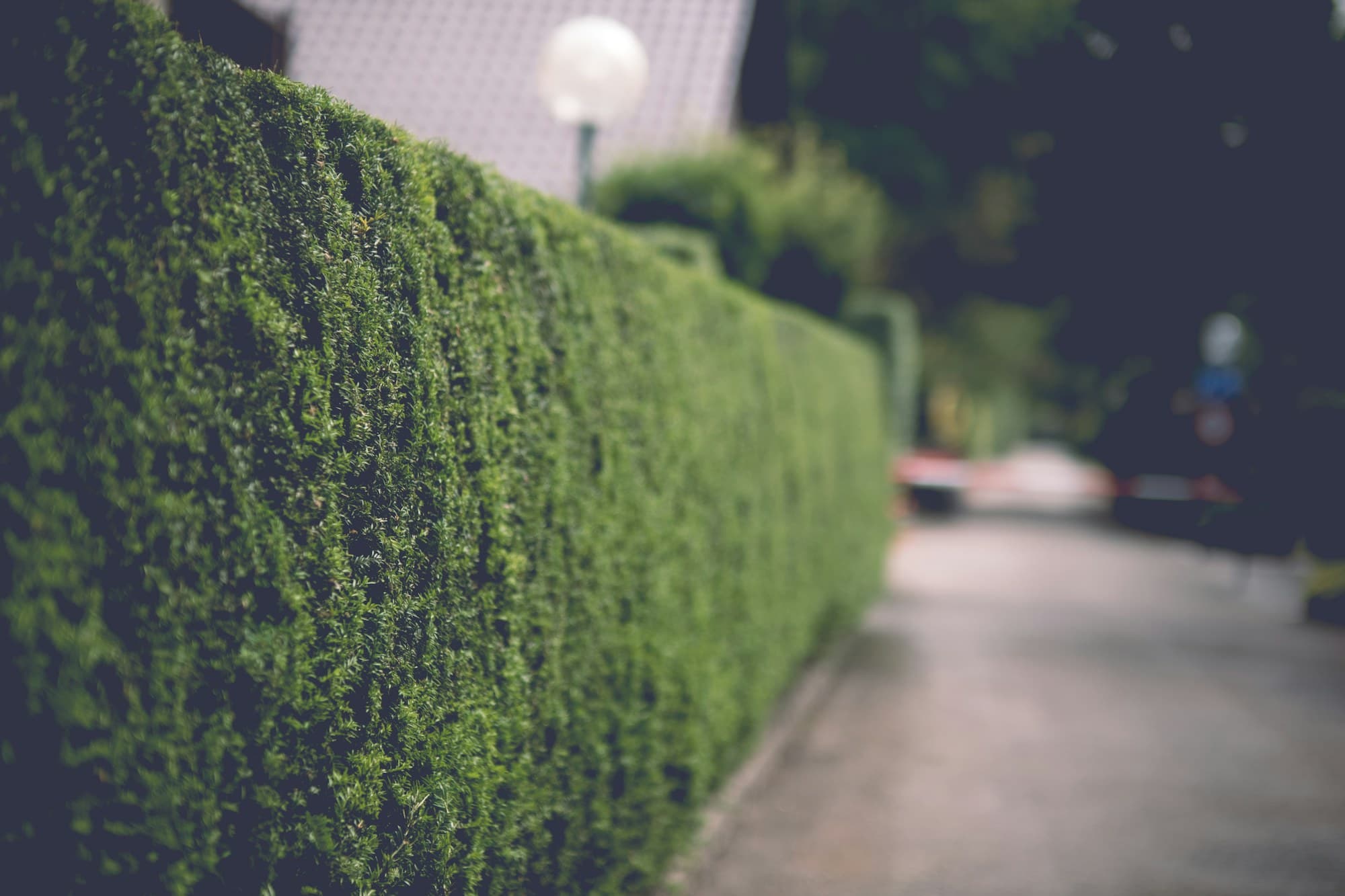
Hedge timing in Christchurch comes down to two things: when the plant is actively growing, and when the frosts are. Cut too late in autumn and soft new growth gets burnt off by the first hard frost. Cut in the middle of a heatwave and the freshly exposed inner leaves scorch.
The safe general window for most hedges here is late spring to early autumn — roughly late October to the end of March — with the exact timing depending on the species.
The general rule: two trims a year
A formal hedge in Canterbury usually needs a main trim in late spring or early summer (November–December) after the first flush of growth, and a lighter tidy in late summer or early autumn (February–March). That second cut sets the shape the hedge holds through winter, so it's the one that matters for how the property looks for six months.
Fast growers like pittosporum and griselinia may want a third light trim in between. Slow growers like buxus and yew are fine with one or two.
Common Christchurch hedges and their timing
- Pittosporum (tenuifolium, 'Silver Sheen', variegated): fast. Trim November and again in February–March. Takes a hard cut well if done in spring, not autumn.
- Griselinia littoralis (broadleaf): fast, frost-tender when young. Trim December and late February. Avoid cutting after mid-April — new growth will frost.
- Buxus (box): slow. One trim in early summer once the new growth has hardened (usually December), optional second in late summer. Never in hot sun — leaves scorch.
- Laurel (Prunus laurocerasus): vigorous. Trim with secateurs or a sharp blade in late spring and again in late summer. Torn leaves brown off badly.
- Photinia 'Red Robin': trim after each flush of red growth — typically November and February. Cutting encourages the red colour.
- Corokia, coprosma and other natives: late spring and late summer. Most respond well to regular light trimming rather than occasional hard cuts.
- Camellia: trim only after flowering (late winter/early spring for sasanquas, spring for japonicas), never in autumn or you'll cut off next year's buds.
Hard reductions: when and how far
If a hedge has got away and needs to come back a metre or more, do it in early spring (September–October) just as growth starts, so the plant has the whole season to re-clothe itself. Pittosporum, griselinia, laurel and photinia all reshoot from old wood. Buxus does, slowly. Conifer hedges (leylandii, macrocarpa, thuja) generally don't — cut back into brown wood and it stays brown.
Take a hard reduction in stages if you can: the top one year, the faces the next. A hedge cut hard on all sides at once can struggle, especially through a dry Canterbury summer.
What to avoid
- Trimming during a frost or in the week before a forecast hard frost (May–August).
- Trimming in the heat of a nor'west day — exposed inner leaves burn.
- Cutting the top narrower than the base is right; the reverse (a hedge wider at the top) shades its own lower growth and goes bare at the bottom.
- Trimming while birds are nesting — check the hedge in spring before you start.
Keeping clippings and cleanup in mind
A 30-metre pittosporum hedge produces a surprising volume of clippings — often several cubic metres. Factor in disposal: green waste can go to the council transfer stations, or a contractor will bag and remove it as part of the job.
Rather we did it?
Hedge Trimming & Shaping Christchurch
Hedge trimming, shaping and reduction for Christchurch homes and commercial sites — from a single buxus to a 50-metre run.